
Every community has a story.
Some are written in books. Others are etched into grain elevators, preserved in century-old homes, tucked inside museum displays, or hidden along walking trails waiting to be discovered.
The Leduc Region is rich with stories of Indigenous gathering places, pioneering settlers, railway expansion, agricultural innovation, and one of the most significant oil discoveries in Canadian history. Today, visitors can step into that history through museums, heritage buildings, and cultural attractions spread throughout the region.
Whether you’re a history enthusiast, a curious traveller, or a local looking to see your backyard through a different lens, here’s your guide to exploring the stories that shaped the region.
Leduc: Where Prairie Roots Meet Energy History
Long before the city existed, this area was home to Indigenous Peoples who travelled, traded, hunted, and gathered throughout the region. Leduc’s future changed dramatically in 1891 when the Calgary and Edmonton Railway arrived. Businesses quickly sprang up around the station, and what had been a small settlement began to develop into a town. Hotels, stores, warehouses, and service businesses clustered near the tracks, creating the foundation of today’s downtown.
Without the railway, there likely would have been no grain elevator, no Main Street, and perhaps no Leduc as we know it.
Did You Know? Before the community was known as Leduc, many people referred to the area as “Telford’s House,” named after pioneer Robert Telford, who became the community’s first postmaster, first mayor, and later an MLA.
Explore Historic Downtown Leduc
Take a self-guided walking tour through downtown and discover some of the city’s oldest surviving commercial buildings:
- The Anderson Block: One of downtown’s oldest surviving commercial buildings, the Anderson Block has served generations of businesses. Today it houses Leduc Coffee Shop, but visitors can still admire features such as the original pressed-tin ceiling.
- C.W. Carroll Building: Built in 1921, the C.W. Carroll Building reflects an era when land sales, insurance, and agricultural development were driving growth across central Alberta. The site previously housed a meat market, illustrating how downtown buildings often evolved to meet the changing needs of the community.
- The Light House Cowork: The former Light House Cowork building once reportedly housed a jail in its basement. It is now home to a flexible cowork office space in the heart of Leduc, offering community a place to connect and collaborate in order to thrive personally and professionally.
- Black Gold Gallery: Before becoming a destination for local art and culture, this building is remembered by many residents as a former butcher shop. Its transformation reflects the broader evolution of downtown Leduc from a service centre for farmers and settlers into a modern community hub.
For even more historical discoveries, visitors can follow the interactive walking tours available through On This Spot.
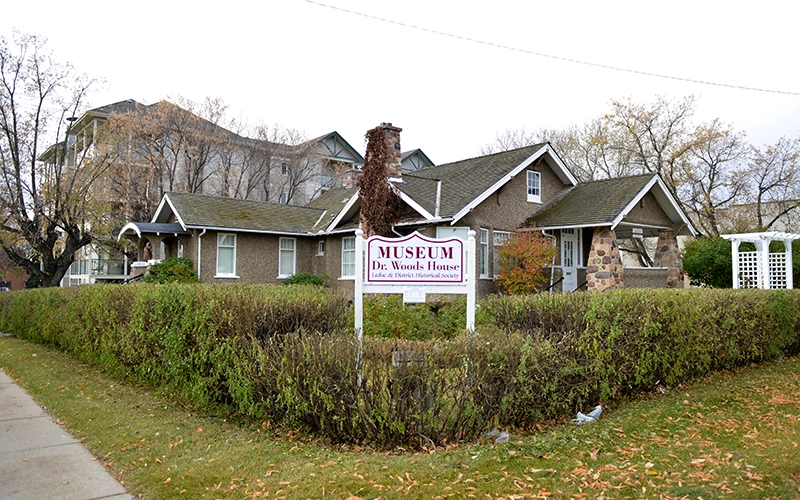
Dr. Woods Museum, City of Leduc, AB
Dr. Woods House Museum
Built in 1927, the beautifully preserved Dr. Woods House offers a glimpse into rural healthcare during Alberta’s early years. One of Leduc’s best-preserved heritage buildings, Dr. Woods House served as both a family home and a medical practice. Dr. Robert Woods delivered babies, treated illnesses, and cared for residents throughout the region. The attached clinic reminds visitors that rural doctors often provided a wide range of services beyond what we associate with medicine today. Between June 23 and September 7, 2026, the museum is open:
- Tuesday, Wednesday, Thursday from 4-8 p.m.
- July 1, August 3, September 7 from 10 a.m. – 2 p.m.
This and other stories about early Leduc citizens can be found in Leduc: Then & Now available on Amazon.ca., Lulu.com, or the Leduc Public Library.
Canadian Energy Museum
No story about Leduc is complete without discussing oil. The 1947 discovery at Leduc No. 1 changed Alberta forever, launching the province into a new era of economic growth and earning Leduc a place in Canadian energy history. The Canadian Energy Museum brings this story to life through interactive exhibits, historic drilling equipment, and stories of the people who helped build Canada’s energy industry.

Leduc Grain Elevator, City of Leduc, AB
Leduc Heritage Grain Elevator
Standing proudly against the prairie skyline, the Leduc Heritage Grain Elevator is one of the last remaining elevators in the region. Built in 1978 on the site of an earlier elevator, it represents a much older agricultural story. For generations, grain elevators dominated prairie landscapes and served as gathering places where farmers brought crops to market, shared news, and connected with their communities. Today, the elevator stands as an enduring symbol of the agricultural economy that helped shape both Leduc and Alberta.
Stone Barn Garden & Cultural Village
The Stone Barn is one of the Leduc Region’s most distinctive heritage destinations, celebrating deep agricultural roots and the farming heritage that shaped generations of local families. Originally part of a working agricultural property on the site of the Brown Farm barn, it has been carefully reconstructed using historically accurate building and milling techniques, blending preservation with storytelling. Today, the Stone Barn Garden & Cultural Village serves as a vibrant gathering place where visitors can explore the original milk shed, public art installations honouring the roles of men and women in farm life, and architectural elements inspired by the original homestead, all set within gardens that help tell the story of the land and the people who worked it.
Telford Lake Multiway Trail
History isn’t confined to museum walls. Along the multiway trail surrounding Telford Lake, interpretive signs reveal fascinating stories from the community’s past, including details about the only recorded airplane crash in Leduc’s history. It’s a reminder that sometimes the most interesting stories are found outdoors.
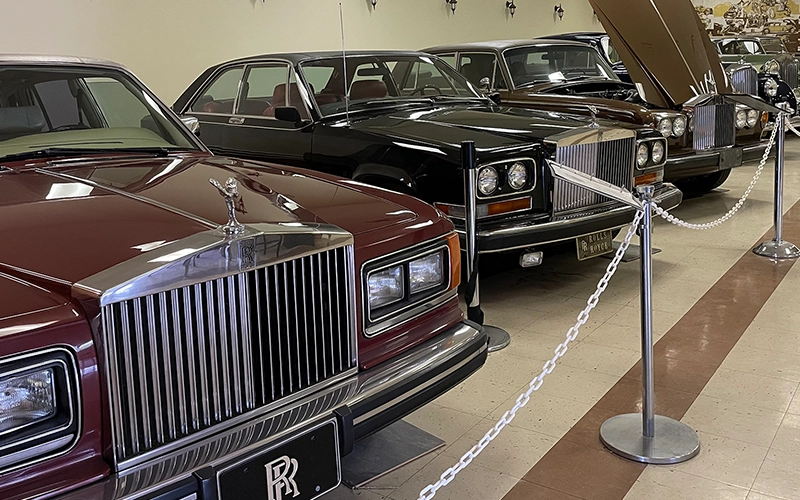
Leduc West Antique Society, City of Leduc, AB
Leduc West Antique Society
History lovers can spend hours exploring the extensive collection maintained by the Leduc West Antique Society. Vintage farm equipment, antique machinery, household items, and community artifacts help preserve the stories of everyday life across rural Alberta. The site offers visitors a hands-on connection to the people and industries that helped build the region.
Beaumont: French Heritage on the Prairies
Founded by French-speaking settlers in the late 1800s, Beaumont remains one of Alberta’s most distinct communities. Its French roots are reflected throughout the community, from its architecture and street names to its festivals and cultural traditions. You can learn more at the Beaumont District & Heritage Society or on the City of Beaumont’s History Book page.
Did You Know? The name “Beaumont” means “beautiful hill” in French, a fitting description for a community built atop one of the highest elevations in the Edmonton region.

St. Jacques Heritage House Museum, City of Beaumont, AB
St. Jacques Heritage House Museum
Located in the heart of Beaumont, the St. Jacques Heritage House Museum offers visitors an authentic glimpse into pioneer life. The restored home shares the stories of early French settlers who helped establish the community and preserve their culture for future generations.
Devon: Alberta’s First Planned Oil Town
Devon exists because of oil. Following the discovery of Leduc No. 1, the community was intentionally developed to house workers supporting the rapidly growing petroleum industry. It became Alberta’s first planned town. The Town of Devon has compiled some highlights of the town’s history.
Did You Know? Devon was designed from the ground up after the Leduc oil discovery, making it Alberta’s first planned community.

Photo of Town of Devon, AB, Devon Historical Society
Devon Historical Museum
Housed within one of Devon’s original community buildings, the museum explores the fascinating story of how a small river valley community became a symbol of Alberta’s energy boom. Visitors will discover exhibits featuring early town life, oilfield development, local businesses, schools, and families who built the community from the ground up. Watch these videos from the Devon Historical Society to learn more about Devon’s past.
University of Alberta Botanic Garden
History isn’t only found in buildings. The University of Alberta Botanic Garden tells the story of Alberta’s landscapes, ecosystems, and relationship with the land. Through cultivated gardens, native plant collections, and educational exhibits, visitors gain a deeper understanding of the natural history that has shaped the region for thousands of years.
Did You Know? The Garden is home to one of Canada’s largest collections of hardy plants adapted to northern climates.
Leduc County: Stories Written on the Land
Leduc County was incorporated in 1963 and consists of a variety of predominantly agricultural and farming communities. Oil was first discovered in the county in the late 1940s and continues to be an important part of our local economy.

Rundle’s: The Meeting Place, Pigeon Lake, Leduc County, AB
Rundle’s Mission: The Meeting Place
Recently renamed as Rundle’s: The Meeting Place, traces its roots back to 1847, when Methodist missionary Rev. Robert Terrill Rundle established a mission on the north shore of Pigeon Lake. The site had long been a gathering place for Indigenous Peoples, thanks to its location along a well-travelled trail and near a natural artesian spring that provided fresh water year-round. For nearly six decades, the mission served as a place of worship, learning, and community connection for Cree, Nakoda, and other Indigenous peoples, as well as missionaries and settlers during a period of significant change in Alberta’s history. Recognized today as both a Provincial Historic Site and a National Historic Site of Canada, Rundle’s remains an important place of cultural and historical significance. Revived in the 1950s as a living memorial to its namesake, the site continues its legacy as a gathering place where visitors can explore interpretive trails, learn about the region’s diverse history, and experience the natural beauty of Pigeon Lake.
Calmar: Small Town, Big Stories
Calmar’s history is closely tied to the railway and agriculture, both of which helped shape life on the prairies. Continue learning about Calmar’s history by visiting the Calmar Public Library to read the Pioneers and Progress Calmar and District 1st Edition Book. You may also find the article, “How Did Calmar Come to Be?” an interesting recap of Calmar’s early settlers and name. Read the article. Another great resource of information from community members can be reviewed by joining the Historic Calmar, Alberta group on Facebook.
Did You Know? The town was named after Col. James Calmar, an early railway official whose influence helped connect communities throughout western Canada.
Millet: Preserving Rural Alberta’s Story
Millet’s story is closely tied to the arrival of the Canadian Pacific Railway, which reached the area in 1891 and helped transform a small trading post into a growing prairie community. Named after August Millet, a fur trader and canoe man who worked alongside Father Lacombe, the community was officially incorporated as a village in 1903 and became an important service centre for the surrounding agricultural region. Despite challenges, including a devastating fire that destroyed much of Railway Street in 1927, Millet continued to grow through the resilience of its residents, evolving into the welcoming town it is today. Its rich heritage can still be explored through local landmarks, historic buildings, and the Millet & District Museum, which preserves the stories of the pioneers, farmers, and entrepreneurs who helped shape the community.
Did You Know? Millet began as a railway settlement and quickly became a service centre for surrounding agricultural communities.

Millet & District Museum & Archives, Town of Millet, AB
Millet & District Museum & Archives
The Millet & District Museum showcases the evolution of rural life through exhibits highlighting farming, education, transportation, local businesses, and family life. Visitors can explore artifacts and stories that capture the resilience and ingenuity of generations who helped shape central Alberta.
Following the Footsteps of the Past
The stories of the Leduc Region aren’t confined to a single museum or heritage site.
They’re found in grain elevators standing tall against prairie skies. In pioneer homes preserved for future generations. Along rivers that once served as transportation routes. In historic downtown buildings that continue to evolve while honouring their past.
Every museum, trail, landmark, and heritage building offers another chapter in the story of the region.
The next time you visit Leduc, Leduc County, Beaumont, Devon, Calmar, or Millet, slow down for a moment. Read the plaque. Step inside the museum. Follow the walking tour. Explore a heritage site.
You might just discover that history isn’t something locked away in the past, it’s still all around us.
Discover more Things To Do in the Leduc Region!
Be sure to take some photos of your experience! Please tag us at @discoverleduc and use #DiscoverLeducRegion to be featured on our social media.
Interested in writing a guest blog? We’d love to hear from you!
